
This is a special place!
Baja California Sur is an estado (state) in northwestern Mexico – specifically, the southern half of the Baja California peninsula. To the west is the Pacific Ocean and to the east is the Gulf of California (also known as the Sea of Cortez). The peninsula is 760 miles long, 25-150 miles wide, with a total area of 55,366 square miles, and 2,038 miles of coastline.
We’ll start with geography, go to some highlights of what we love about the area, and close with some history! We’ve taken our experiences (and the experiences of those who have been in the community longer than us) and put together this information. We hope that you take the time to learn about the place that we love and you’re visiting!
There are SO many cool things about this area, here is a list to just get your started:
Playa los Cerritos
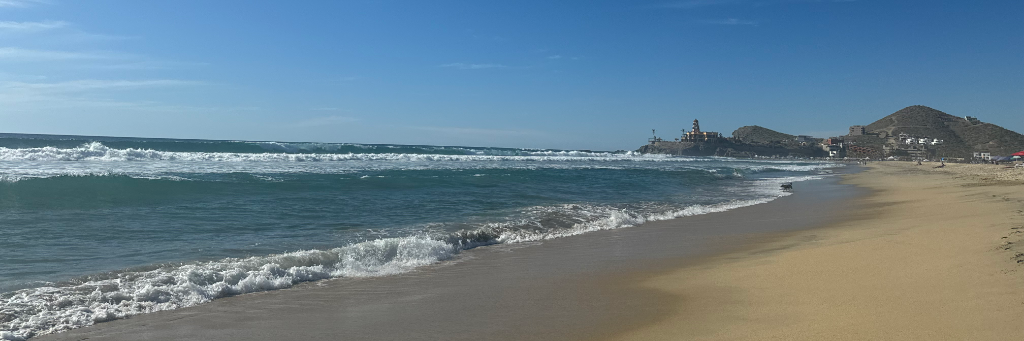
Also known as Santa Lucia de Los Cerritos or just Cerritos, this beach is one of the few safe-to-swim beaches along the entire Baja Sur pacific coast. Casa Dar is within walking distance of this pristine, crescent shaped beach. Here you can surf, swim, and just walk the miles of open beach.
Pueblos Magicos
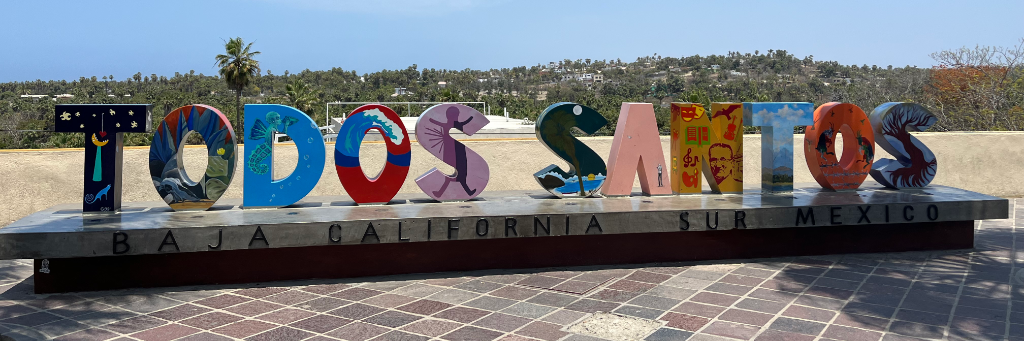
Pueblos Magicos are towns recognized by the Mexican government for their “magical” qualities, whether that be their astonishing beauty, rich history, or extraordinary legends. Todos Santos is one of these Pueblos Magicos!
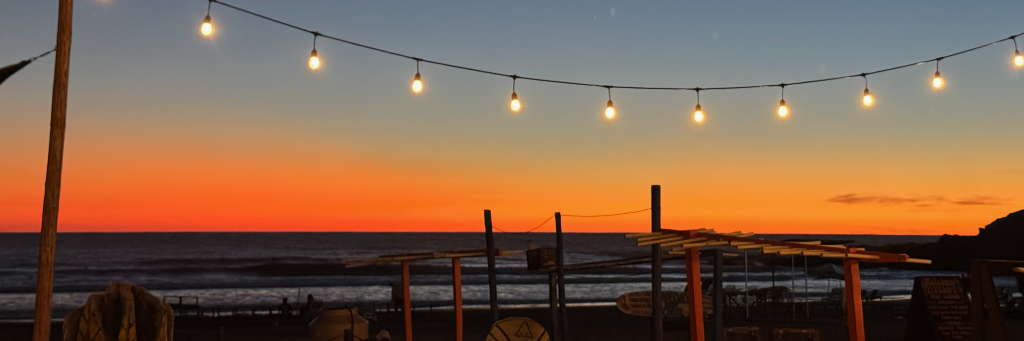
Surf Point Village – Downtown Cerritos – El Centro de Cerritos
Surf Point Village opened in late 2024 as the premier camping and RV destination in Cerritos. With it, came a total update to the entrance to Cerritos beach. Including a food truck court that offers “a diverse array of flavors, blending local Baja favorites with international delights.”
Supermercado El Sol

There are lots of options to get fresh, local food – but if you’re looking to stock up a bit and cook in our fantastic kitchen, Supermercado El Sol just opened up their third location within walking distance of Casa Dar!
Los Cerritos Restaurants
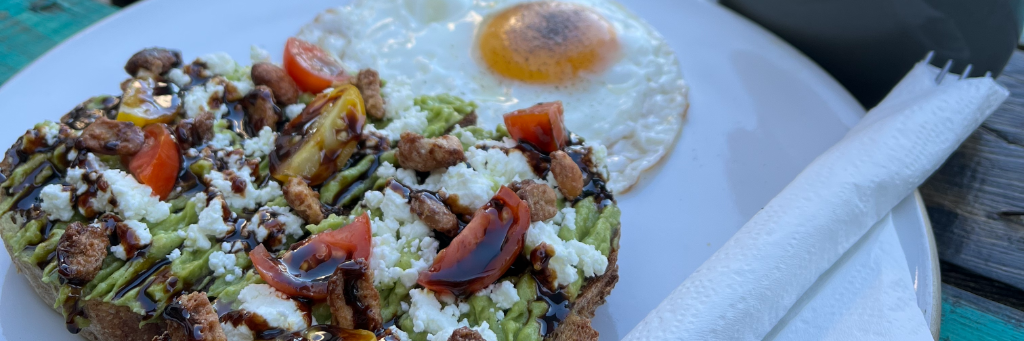
You will NOT have a shortage of food options when visiting Los Cerritos. There are probably about a dozen restaurants within walking distance of Casa Dar and more keep popping up.
Tortugueros Las Playitas
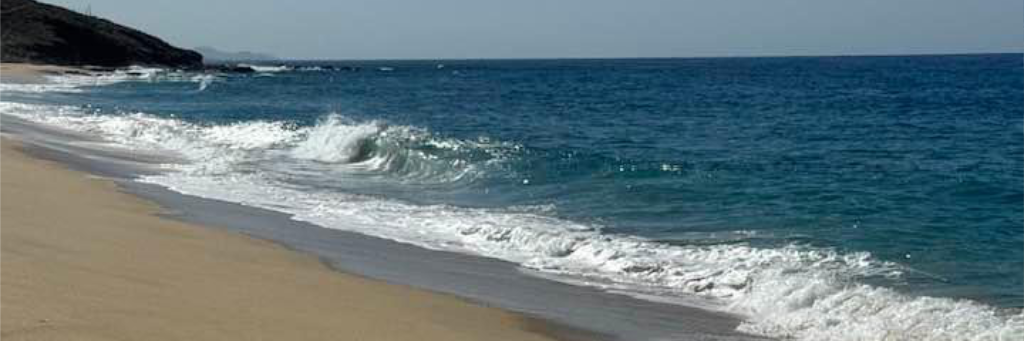
The mission of Tortugueros Las Playitas is to protect, conserve, and replenish the fragile marine life of the area. The goal is to help restore the critically endangered population of the Pacific Leatherback Sea Turtle. There are incubation greenhouses that stabilize sand temperatures which create an ideal nest habitat, maximizing hatch rates and balancing gender ratios. You can join as a volunteer or an witness the release as an event participant!
Colorado State University Todos Santos
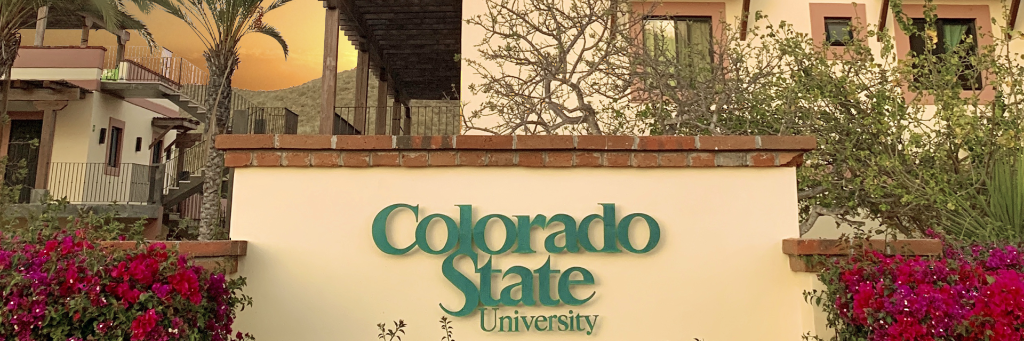
CSU’s international extension is located in Todos Santos (which is SO cool because of our Colorado roots and CSU is Rachel’s alma mater)! The mission of the program is to cultivate generations of global citizens and thriving communities through collaboration, experience, and exchange of knowledge. Available programs include Sustainability, Environment and Culture, Fish, Wildlife, and Conservation Biology, and Veterinary Medicine.
Pescadero Bomberos

The Bomberos are made up of 100% volunteers and 100% of their funding comes from donations. They serve a community of over 6,250 people not including the thousands of tourists we get every year.
Dog Prana & Cerritos Beach Dogs
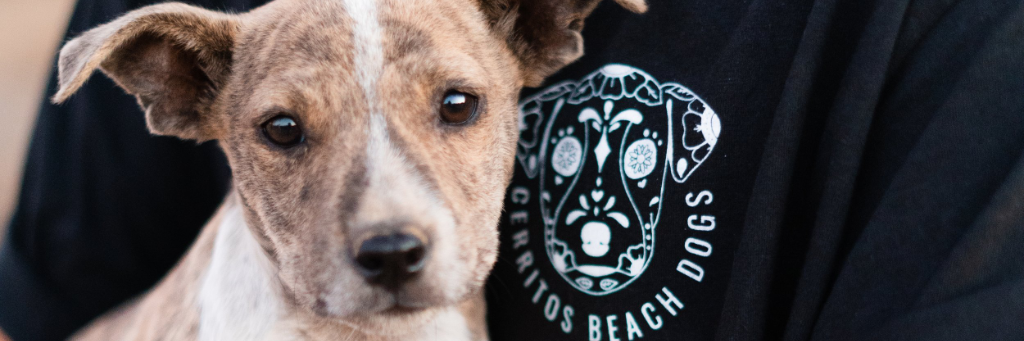
Both of these incredible organizations do their part to help stray dogs in the area. If you’re in need of some cuddles or maybe want to bring a dog home, this is where you’ll start.
Pescadero Property Management

Pescadero Property Management is a locally owned and operated family business, officially established in early 2022 by Abraham Villalobos Macklis and his wife, Meagan O’Brien. We are thrilled to partner with this family as our property management team.
Hotel California
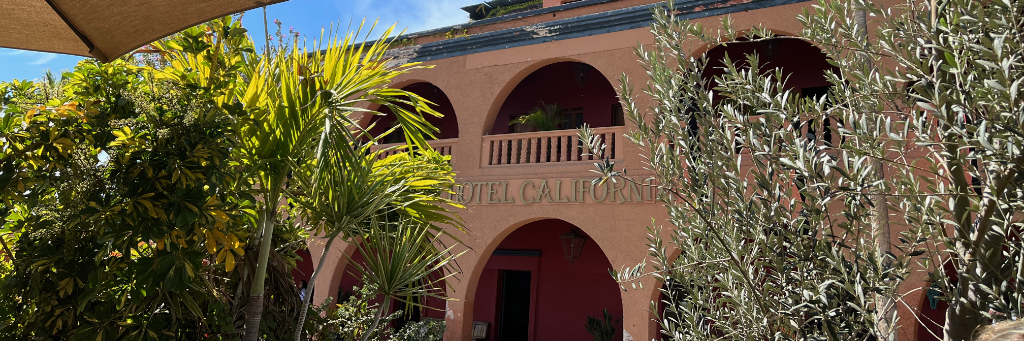
But not that one… This beautiful hotel was founded in 1950 by Antonio Wong Tabasco. It was rumored that the song “Hotel California” by The Eagles referred to this property or at least was inspired by it. But it was later said that a real estate agent started the rumor to give more publicity to the Magical Town.
Cerritos Lifeguard Foundation
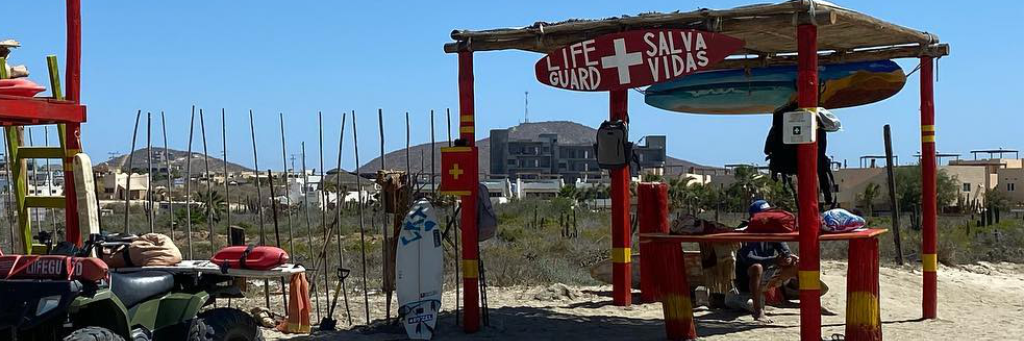
We’re thankful to our volunteer lifeguards who keep us safe out on the water. Support them and check out their daily surf report.
The Chocolate Clam

Why reinvent the wheel? This site is the go-to site for all things food in the area. Browse by location, types of food, and MUCH more!
Mario Surf School

Located in Cerritos Beach, this is your go-to place for all your surfing needs. They offer private lessons, small group lessons, full day to multiple day excursions, and more!
BBB Rent a Car

BBB stands for Bueno, Bonito, y Barato (Good, Clean, and Inexpensive)! This locally owned company and provides exceptional service at incredible prices. Their customer service is unmatched!
Where are we talking about?
Most people fly into the International Airport in San Jose del Cabo. From there, you’ll definitely want to rent a car – there are many nationally recognized companies as well as some local gems that we recommend. The drive is just over an hour and is BEAUTIFUL! You’ll start on a newly renovated toll road (~$6) and then onto another new and paved Highway 19. Baja Sur is considered one of the safest states in the country – with the biggest safety risk that you’ll hear being to not drive at night because of the risk of hitting a cow or a horse on the road. Los Cerritos is within the town of El Pescadero and you’ll find the turn-off road well marked. This is where you’ll hit a dirt road for the first time – but you’ll only be on it for less than 10 minutes before arriving at Casa Dar.

Baja Sur
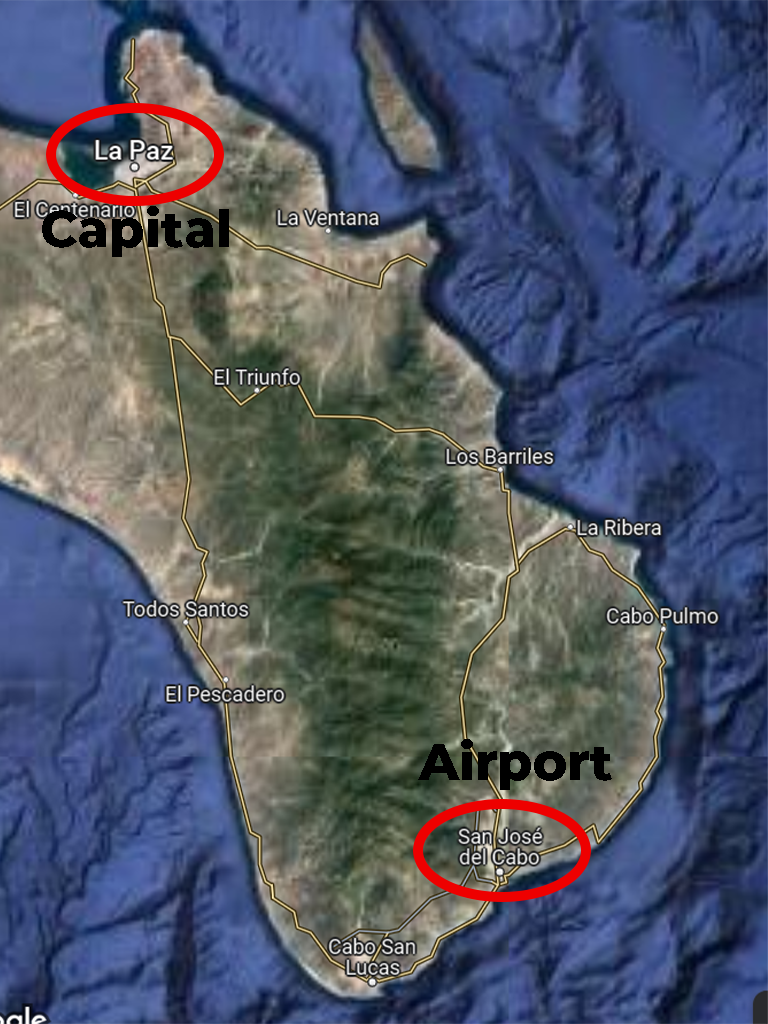
San Jose del Cabo and La Paz
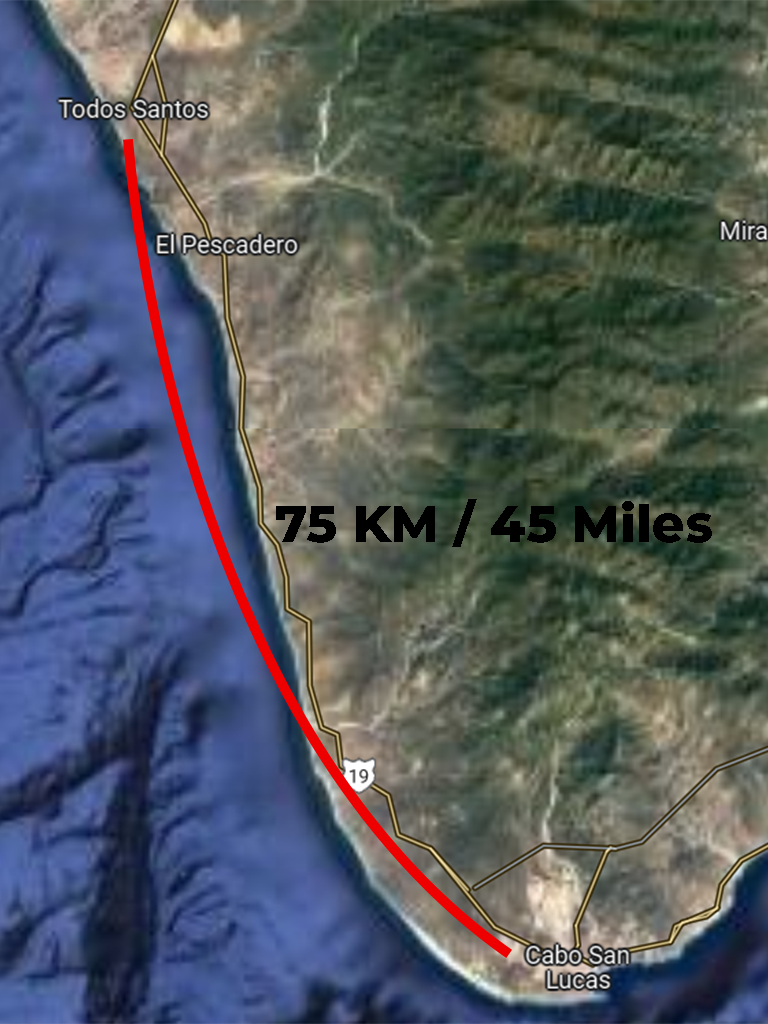
Todos Santos
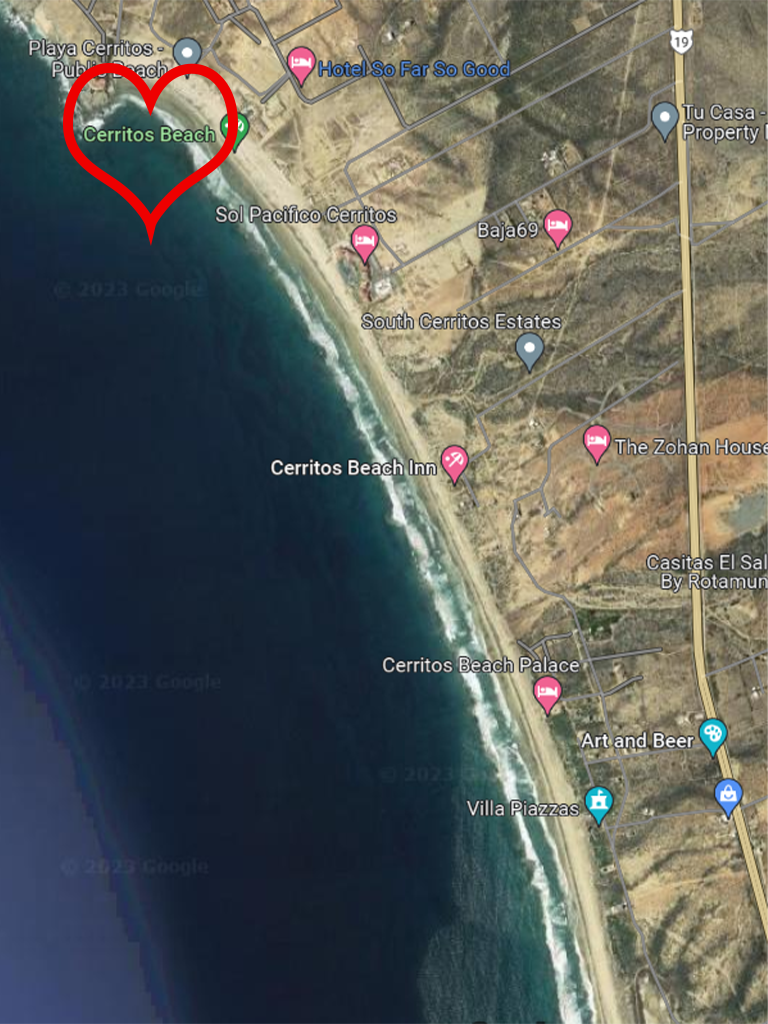
Los Cerritos
Let’s close out with some history
We feel that it is extremely important to understand the history of the people and place that we are becomming a part of. Join us to learn some history (or just skip on down to learn more about what to do, where to go, and what to eat)!
1533 – The Spaniards landed in the area and there were an estimated 60,000-70,000 native people living on the peninsula.
1697 – Colonization began with Jesuit missionaries. The native people were practically exterminated in a series of epidemics introduced by the Spaniards.
1723 – Todos Santos was founded by Father Jaime Bravo as the mission of Nuestra Senora del Pilar de La Paz and became Santa Rosa de Todos Santos in 1724.
1768 – The Jesuit missionaries were replaced by The Franciscans and just 5 years later by the Dominican order.
1822 – The missions were gradually abandoned and the practically vanished Indians were replaced by a sparse population of mestizo (people of combined Indian and European extraction) farmers and cattleman.
1846-1848 – Mexican War, concluding with the Treaty of Guadalupe Hidalgo.
1850 – The area thrived with major sugar-cane production with eight sugar mills in the area.
1950s – The water table dried up bringing drought. In addition sugar prices fell after WWII.
1981 – A miraculous return of the water!!
1984 – The highway between Tijuana at the U.S. Mexico border and Cabo San Lucas began to be paved.
1990s to present day – Continued growth in tourism and economic growth!
This information was collected from the following sources:
 Casa Dar